
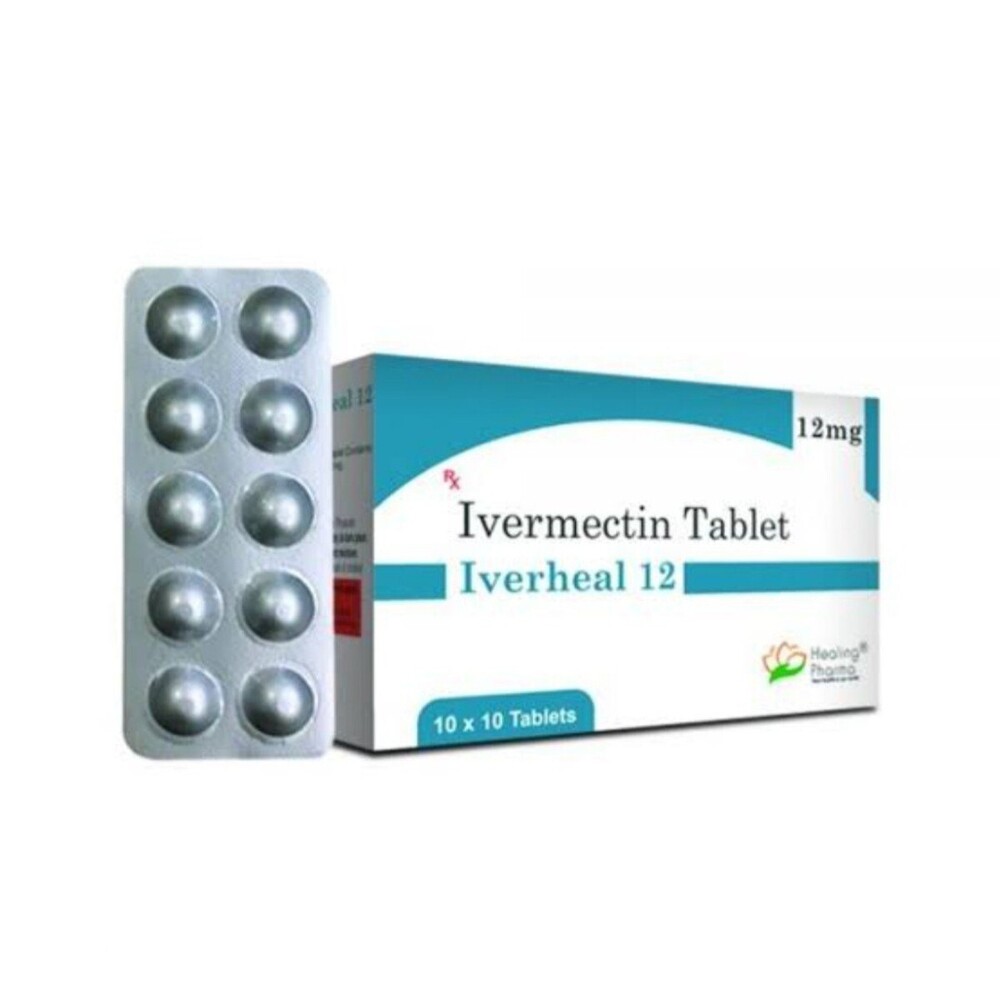
Ivermectin 12 mg: Uses, Benefits, Safety, and Important Information
Ivermectin 12 mg is an antiparasitic medicine used to treat certain infections caused by parasites. It contains ivermectin as its active ingredient, which works by interfering with the nervous system of susceptible parasites, helping to eliminate them from the body. The appropriate use of ivermectin depends on the type of infection, the patient's medical condition, and a healthcare professional's assessment.
Ivermectin is prescribed for specific parasitic infections, including certain cases of strongyloidiasis and onchocerciasis. The 12 mg tablet strength is one available formulation, but the correct dose and treatment schedule depend on the infection being treated and individual patient factors.
Ivermectin
12 mg tablet
Antiparasitic agent (anthelmintic)
Ivermectin may be prescribed for certain parasitic infections, including:
Strongyloidiasis: An intestinal infection caused by the parasitic roundworm Strongyloides stercoralis.
Onchocerciasis: A parasitic disease, also known as river blindness, caused by Onchocerca volvulus.
Other susceptible parasitic infections: A healthcare professional may recommend ivermectin for selected conditions when its use is appropriate and supported by clinical guidance.
Ivermectin is not a general-purpose treatment for infections. Its effectiveness depends on the specific parasite involved.
Ivermectin acts on specific chloride channels in susceptible parasites, disrupting their nerve and muscle function. This can cause paralysis and the eventual elimination of the parasites.
The medicine primarily targets susceptible parasites and should be used according to the prescribed treatment plan. It does not treat bacterial or viral infections.
The appropriate ivermectin dose depends on body weight, the type and severity of the parasitic infection, and the patient's health status. A 12 mg tablet does not mean that every patient should take one tablet or that the same schedule is appropriate for every condition.
Take ivermectin only as directed by a qualified healthcare professional. Do not repeat a dose or extend treatment without medical advice.
Some people may experience side effects while taking ivermectin. These can vary depending on the infection being treated and the body's response to treatment.
Possible side effects include:
Seek prompt medical attention for severe allergic reactions, significant confusion, difficulty walking, seizures, or other serious or unusual symptoms.
Before taking ivermectin 12 mg, inform your healthcare professional about any existing medical conditions, allergies, and other medicines or supplements you use.
Special consideration may be necessary for people with liver problems, those who may have certain additional parasitic infections, and patients taking medicines that could interact with ivermectin. Pregnancy and breastfeeding also require individualized medical advice.
Ivermectin should not be used to prevent or treat COVID-19 unless its use is part of an appropriately authorized clinical setting. It is not an established general treatment for viral infections.
Ivermectin may interact with certain medicines, potentially affecting safety or treatment outcomes. Tell your healthcare professional about all prescription medicines, over-the-counter products, and supplements you take before starting treatment.
Store ivermectin 12 mg according to the instructions on the product packaging, away from excessive heat, moisture, and direct sunlight. Keep it out of the reach of children and do not use it after its expiry date.
Ivermectin 12 mg is an antiparasitic medicine intended for specific medical indications. It should be used only when appropriate for the diagnosed condition and under professional guidance. Do not use veterinary ivermectin products in place of medicines intended for human use.
Always consult a qualified healthcare professional for diagnosis, dosage instructions, and advice about potential risks.
This description is for educational purposes only and is not a substitute for professional medical advice, diagnosis, or treatment.